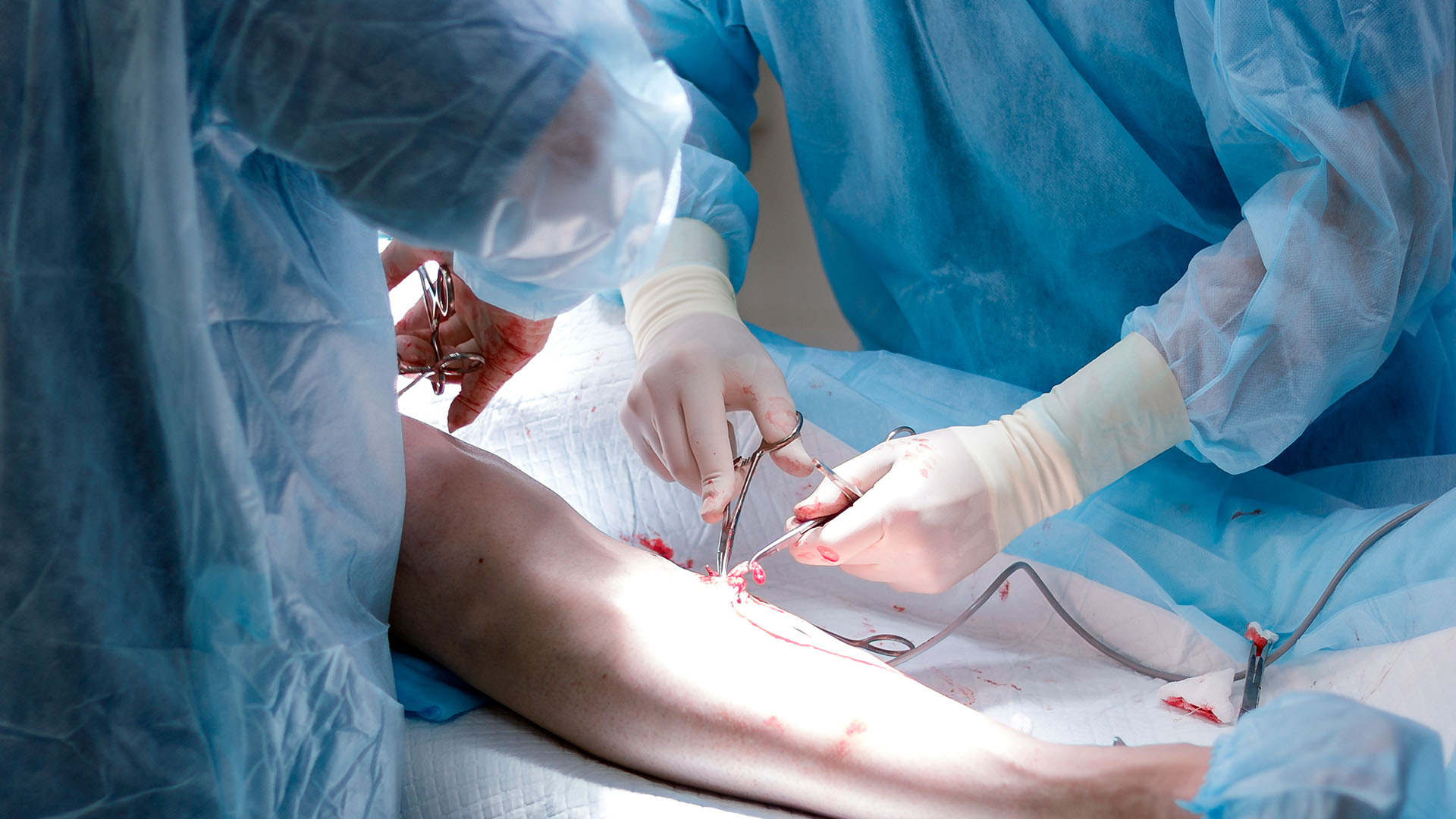
The history of varicose vein treatment dates back to ancient Egypt and Greece, where bloodletting and herbal compresses were used. In the Middle Ages, compression bandages and plant extracts became popular—the first form of compression therapy. A true breakthrough occurred, however, in the 19th and 20th centuries, when the first surgical techniques were introduced, such as ligation and varicose vein removal (stripping). The 20th century brought the development of anesthesia and antiseptic techniques, which made varicose vein surgeries safer. Concurrently, sclerotherapy evolved—the first minimally invasive alternative to surgery.
The last two decades have seen a revolution in the world of phlebology. Thanks to precise ultrasound (US) diagnostics and innovative technologies, methods have emerged that changed the face of venous insufficiency treatment: endovenous laser ablation (EVLA), medical vein glue, and advanced ultrasound-guided foam sclerotherapy (UGFS). Modern treatment of varicose veins consists of outpatient procedures performed under local anesthesia, without a scalpel, and with an immediate return to activity. This marks the end of the era of invasive surgeries and long recovery periods.
 Polish
  English