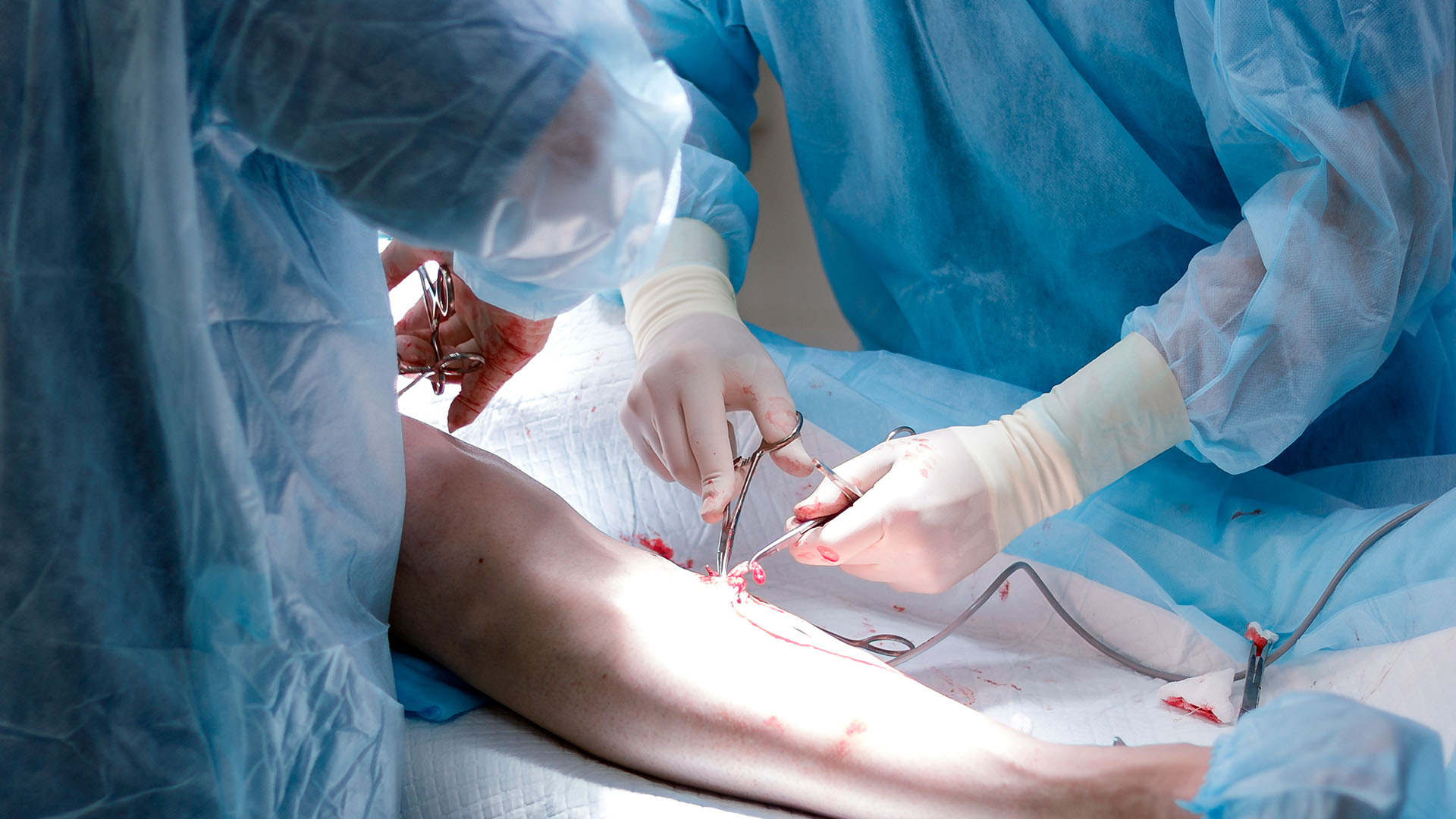
SURGICAL TREATMENT OF VEINS – ONLY IN A MODERN EDITION

Venous Surgery

Surgical treatment of veins has a long history and has undergone significant evolution over more than 100 years. The origins of venous surgery date back to antiquity, but a true breakthrough occurred in the 20th century with the development of minimally invasive techniques. These advancements significantly improved clinical outcomes, reduced the risk of perioperative complications, and shortened recovery time.

INTRODUCTION

The history of varicose vein treatment dates back to ancient Egypt and Greece, where bloodletting and herbal compresses were used. In the Middle Ages, compression bandages and plant extracts became popular—the first form of compression therapy. A true breakthrough occurred, however, in the 19th and 20th centuries, when the first surgical techniques were introduced, such as ligation and varicose vein removal (stripping). The 20th century brought the development of anesthesia and antiseptic techniques, which made varicose vein surgeries safer. Concurrently, sclerotherapy evolved—the first minimally invasive alternative to surgery.

The last two decades have seen a revolution in the world of phlebology. Thanks to precise ultrasound (US) diagnostics and innovative technologies, methods have emerged that changed the face of venous insufficiency treatment: endovenous laser ablation (EVLA), medical vein glue, and advanced ultrasound-guided foam sclerotherapy (UGFS). Modern treatment of varicose veins consists of outpatient procedures performed under local anesthesia, without a scalpel, and with an immediate return to activity. This marks the end of the era of invasive surgeries and long recovery periods.

THE ROLE OF SURGICAL VEIN TREATMENT IN MODERN PHLEBOLOGY

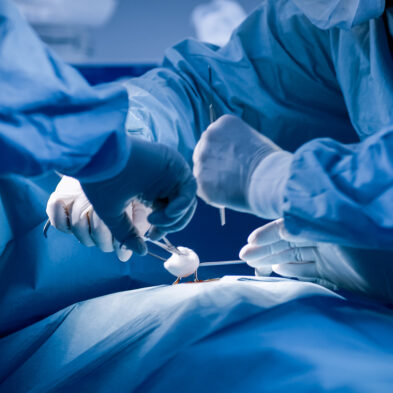
Modern phlebology emphasizes a comprehensive and interdisciplinary approach to treating venous disease. Surgical vein treatment still plays an important role, but it is no longer the only solution. The decision to proceed with surgery is made individually, depending on the severity of the disease, symptoms, and Patient preferences

Modern surgical methods aim to significantly minimize invasiveness. Currently, the most frequently performed procedure is miniphlebectomy, which involves removing varicose veins through minimal skin incisions without the need for sutures, carried out under tumescent local anesthesia. Tumescent anesthesia is a specialized type of local anesthesia that reduces pain and discomfort during the procedure, while also limiting bleeding and the risk of complications.

SURGICAL TREATMENT OF VEINS AS AN ELEMENT OF CAUSAL THERAPY

Modern phlebology offers a wide range of surgical techniques that allow for the effective treatment of venous diseases with minimal burden on the Patient.

Surgical vein treatment is usually one of the components of a comprehensive therapy for venous disease, based on the causal treatment strategyimplemented by our phlebologists over a decade ago. The modern approach to venous disease therapy is based on a holistic diagnosis of the venous system, analysis of risk factors, and subsequently, an individualized treatment process. The entire therapeutic process consists of several stages.

Despite the dynamic development of minimally invasive endovenous methods, surgical vein treatment in its modern form remains significant, particularly in advanced stages of lower limb venous disease.

Call and schedule your appointment!

Do you have questions? Aleksandra, a virtual Patient Coordinator, will assist you at any time of the day or night

CONTACT DETAILS

  • Wawelska Street Branch - 5 Wawelska Street
  • Puławska Street Branch - 17 Puławska Street

OPENING HOURS

WEBSITE MENU

Social Media

How to Find Us

×

Zadbaj o swoje żyły
w Klinice Flebologii

Umów wizytę już dziś!

+48 735 998 880